Автор: quanyu lee
2026-02-28 10:01:30
Коаксиальные кабели RG402: руководство по выбору и монтажу кабелей с низкими потерями.
В радиочастотных (РЧ) и микроволновых системах кабели являются не просто «линиями передачи», а ключевыми компонентами, определяющими целостность сигнала и стабильность системы. Коаксиальные кабели RG402, благодаря своим превосходным высокочастотным характеристикам и структурной стабильности, широко используются в системах связи, измерительных приборах, военной электронике и промышленном управлении. В данной статье будет представлен систематический анализ таких аспектов, как принципы конструкции, технические параметры, сценарии применения, рекомендации по выбору и распространенные проблемы, чтобы помочь инженерам и специалистам по закупкам получить всестороннее понимание вопроса.
I. Что такое коаксиальный кабель RG402?
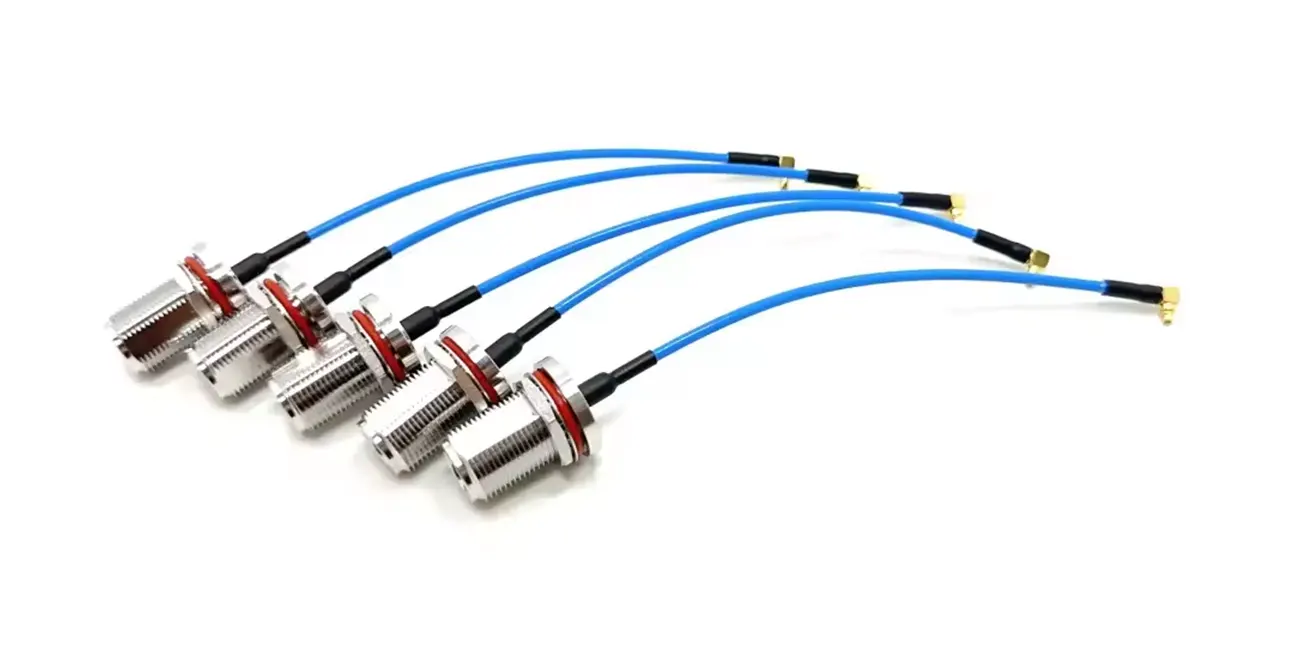
RG402 — это полужесткий радиочастотный коаксиальный кабель, характеризующийся следующими особенностями:
- Характеристическое сопротивление 50 Ом
- Посеребренный медный проводник
- Диэлектрик из ПТФЭ (политетрафторэтилена)
- Бесшовный медный внешний проводник
- Поддерживает передачу высокочастотных сигналов (до 18 ГГц и выше)
Он соответствует американскому военному стандарту MIL-C-17 и широко используется в военных и аэрокосмических системах.
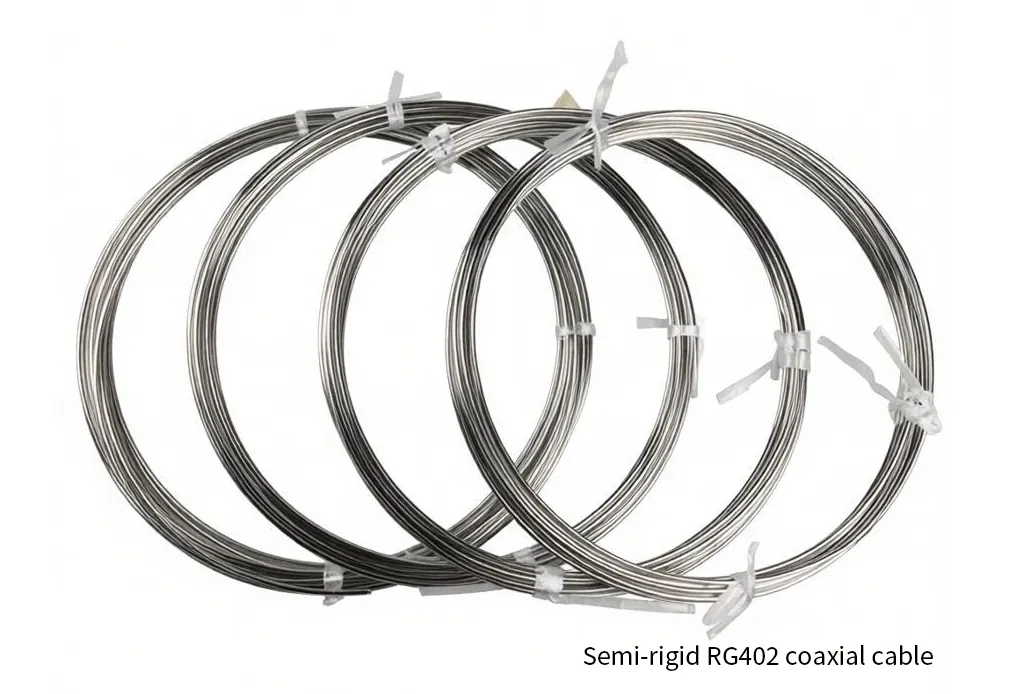
II. Структурный анализ RG402
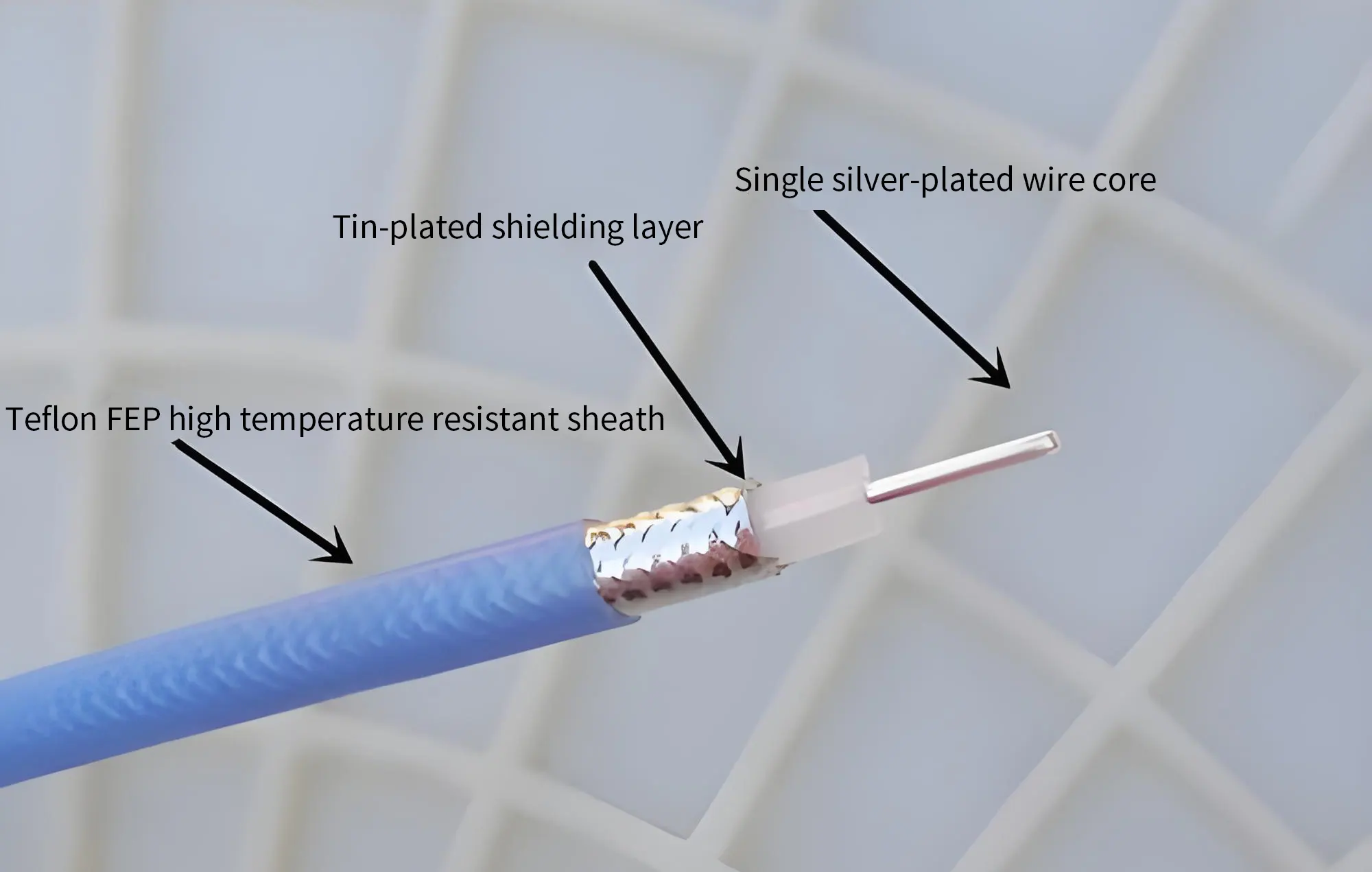
| Структурный слой | Характеристики материала | Основная роль |
| Внутренний проводник | Медная проволока с серебряным покрытием диаметром 0,93 мм / стальная проволока с медным покрытием | Уменьшить потери сигнала и улучшить проводимость. |
| Изоляционный слой | Политетрафторэтилен (ПТФЭ) | Стабильная диэлектрическая постоянная (2,3±0,1), устойчивость к высоким температурам. |
| Внешний проводник | Бесшовная медная трубка / оплетка из луженой меди | 100% экранирование, устойчивость к электромагнитным помехам |
| Чехол (по желанию) | Синяя оболочка из фторполимера (FEP) | Износостойкий, маслостойкий и влагостойкий. |
III. Основные технические параметры кабеля RG402
- Емкость: 95,1 пФ/м
- Импеданс: 50 Ом (±2 Ом)
- Затухание на 1 ГГц: 11,1 дБ/100 футов (приблизительно 36,4 дБ/100 м)
- Номинальное напряжение: 5,0 кВ среднеквадратичного значения
- Максимальная мощность (1 ГГц): 450 Вт
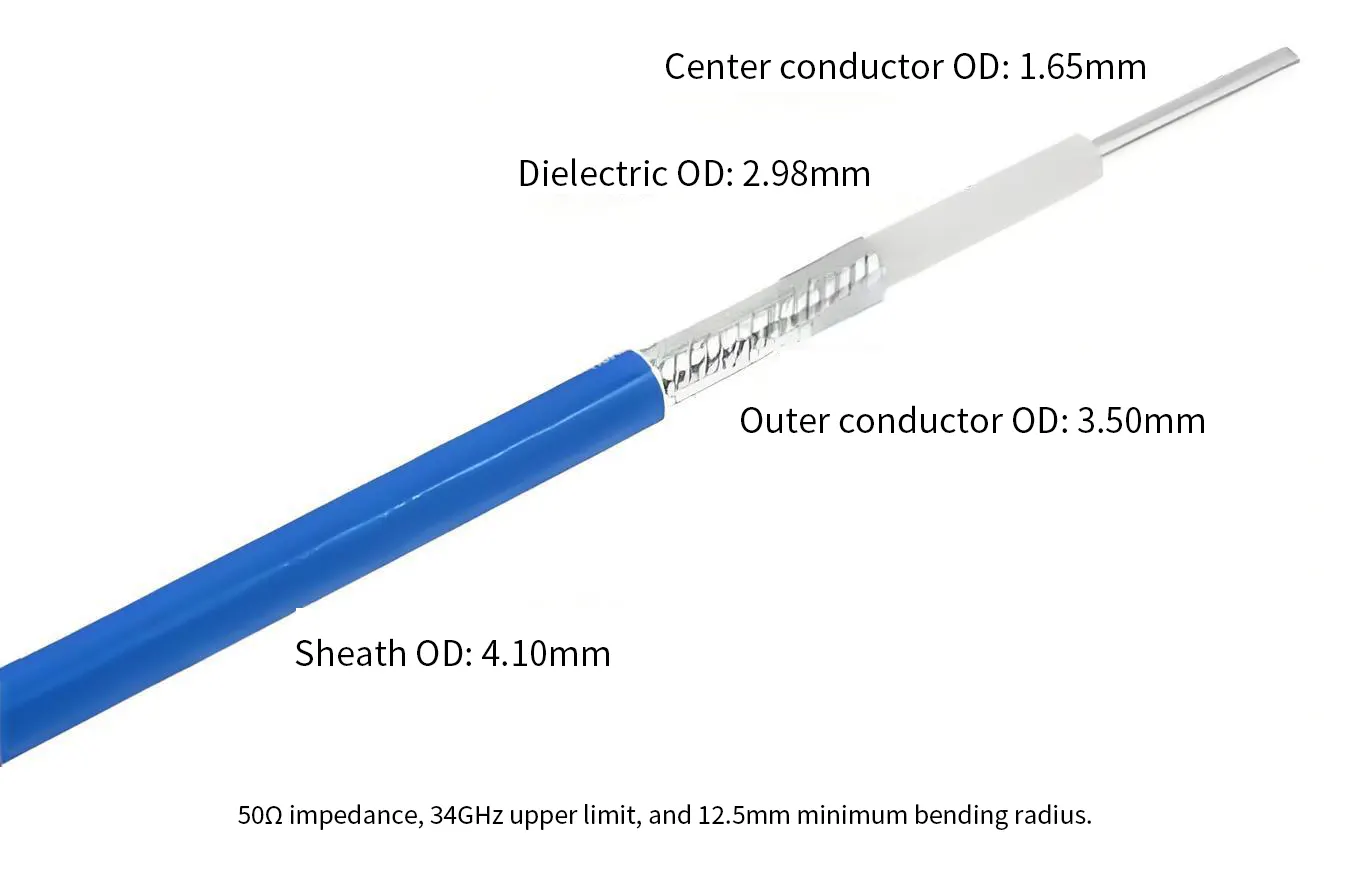
- Внешний диаметр: 0,141 дюйма (приблизительно 3,58 мм)
- Диапазон частот: DC – 18 ГГц
- Коэффициент стоячей волны по напряжению (КСВ): ≤ 1,3
- Рабочая температура: от -55℃ до +200℃
- Эффективность экранирования: >100 дБ
IV. Преимущества RG402 в плане производительности
RG402 — это полужесткий коаксиальный кабель, разработанный специально для высокочастотных применений, что делает его лучшим выбором для профессионального оборудования благодаря четырем основным преимуществам. В нем используется посеребренный проводник с диэлектриком из ПТФЭ, что обеспечивает исключительно низкие потери сигнала в микроволновом диапазоне, отвечая требованиям высокоточной передачи. Медная внешняя оболочка эффективно изолирует электромагнитные помехи (ЭМП/РЧП), предотвращая искажение сигнала. Даже в суровых условиях с резкими перепадами температуры его характеристики остаются стабильными и не зависят от колебаний окружающей среды. Кроме того, его можно сгибать и фиксировать в нужной форме, что обеспечивает гибкие варианты прокладки кабеля и делает его особенно подходящим для ограниченных пространств, таких как серверные стойки. Благодаря этим практическим характеристикам RG402 широко используется в микроволновых системах связи, радиочастотном испытательном оборудовании, системах спутниковой связи, радиолокационных системах и высокоточных лабораторных приборах, идеально соответствуя требованиям к передаче высоких сигналов в профессиональных приложениях.
V. Стандартные этапы установки коаксиального кабеля RG402
Зачистка: Используйте специальные инструменты для зачистки проводов до заданных размеров, избегая повреждения внутреннего проводника и изоляции.
Пайка: Используйте припой с температурой плавления >125℃ для внутреннего проводника и >150℃ для внешнего проводника, чтобы предотвратить образование холодных паяных соединений.
Крепление: Радиус изгиба ≥12,5 мм, чтобы избежать натяжения или скручивания кабеля;
Проверка: После установки проверьте КСВ (предпочтительно ≤1,3) и сопротивление изоляции.
VI. Пример применения коаксиального кабеля RG402
Производитель автомобильных радаров, специализирующийся на исследованиях, разработке и производстве миллиметровых радаров FMCW с частотой 77 ГГц, долгое время сталкивался с проблемами производительности при тестировании на производственной линии. Используемые ими обычные радиочастотные кабели имели две основные проблемы: во-первых, сильное затухание сигнала, достигающее 2,1 дБ на метр, что напрямую приводило к ошибке определения дальности радаром до 15 см, серьезно ограничивая точность изделия; во-вторых, недостаточная стабильность, заметный дрейф сигнала появлялся уже после трех циклов подключения и работы, что требовало частых остановок для повторной калибровки, каждая из которых занимала до 42 минут, значительно снижая общую эффективность производственной линии.
После замены на кабель RG402:
- Затухание было снижено до 0,7 дБ/метр, а погрешность измерения расстояния уменьшена до 5 см.
- После 500 вставок и извлечений колебания КСВ составили ≤±0,1 дБ, что соответствует требованиям для повторных испытаний на производственной линии.
- Время калибровки сократилось с 42 минут до 28 минут, а эффективность производства повысилась на 33%.
Запомните три ключевых параметра: импеданс 50 Ом, верхний предел 34 ГГц и минимальный радиус изгиба 12,5 мм. Эти параметры удовлетворят потребности большинства сценариев высокочастотной передачи.
VII. Меры предосторожности при установке и использовании
- Не сгибайте многократно (это приведет к образованию микротрещин).
- Радиус изгиба обычно составляет ≥ 5 наружных диаметров.
- Контроль температуры сварки.
- Избегайте внешних растягивающих усилий.
Рекомендации по техническому обслуживанию: Регулярно проверяйте контакт стыков. В условиях повышенной влажности требуется влагонепроницаемое уплотнение для предотвращения проникновения влаги.
VIII. RG402 Часто задаваемые вопросы (FAQ)
Вопрос 1: Можно ли использовать кабель RG402 для связи в сетях 5G?
Да. Кабель RG402 вполне подходит, если диапазон частот находится в пределах номинальной частоты кабеля (например, ниже 6 ГГц).
Вопрос 2: В чем разница между кабелем RG402 и обычным коаксиальным кабелем в оплетке?
Кабель RG402 имеет полужесткую структуру, обеспечивающую более высокую эффективность экранирования и меньшие потери, но он менее гибкий, чем кабели с оплеткой.
Вопрос 3: Какой длины может быть кабель RG402?
Теоретически, это может быть довольно большое расстояние, но для высокочастотных применений обычно рекомендуется использовать короткие расстояния (<1 метра) для контроля потерь.
Вопрос 4: Можно ли использовать его на открытом воздухе?
Да, но рекомендуется использовать защитный чехол или водонепроницаемые компоненты.
Вопрос 5: Соответствует ли RG402 военным стандартам?
Соответствует спецификациям MIL-C-17.