By quanyu lee
2025-09-04 15:01:04
Micro USB Data Cable Knowledge Sharing Guide
With the rapid development of mobile devices and electronic products, Micro USB cables have become the most common interface standard. Whether it's smartphones, digital cameras, or portable hard drives, people use this compact cable almost every day. Although USB Type-C has gradually replaced Micro USB as the new mainstream, Micro USB remains active in a wide range of devices, particularly in the mid-to-low-end market and in specific industrial applications. This article will systematically introduce the definition, types, and application scenarios of Micro USB cables, and compare USB Type-C with Mini USB to help readers fully understand the development and current status of this interface standard.
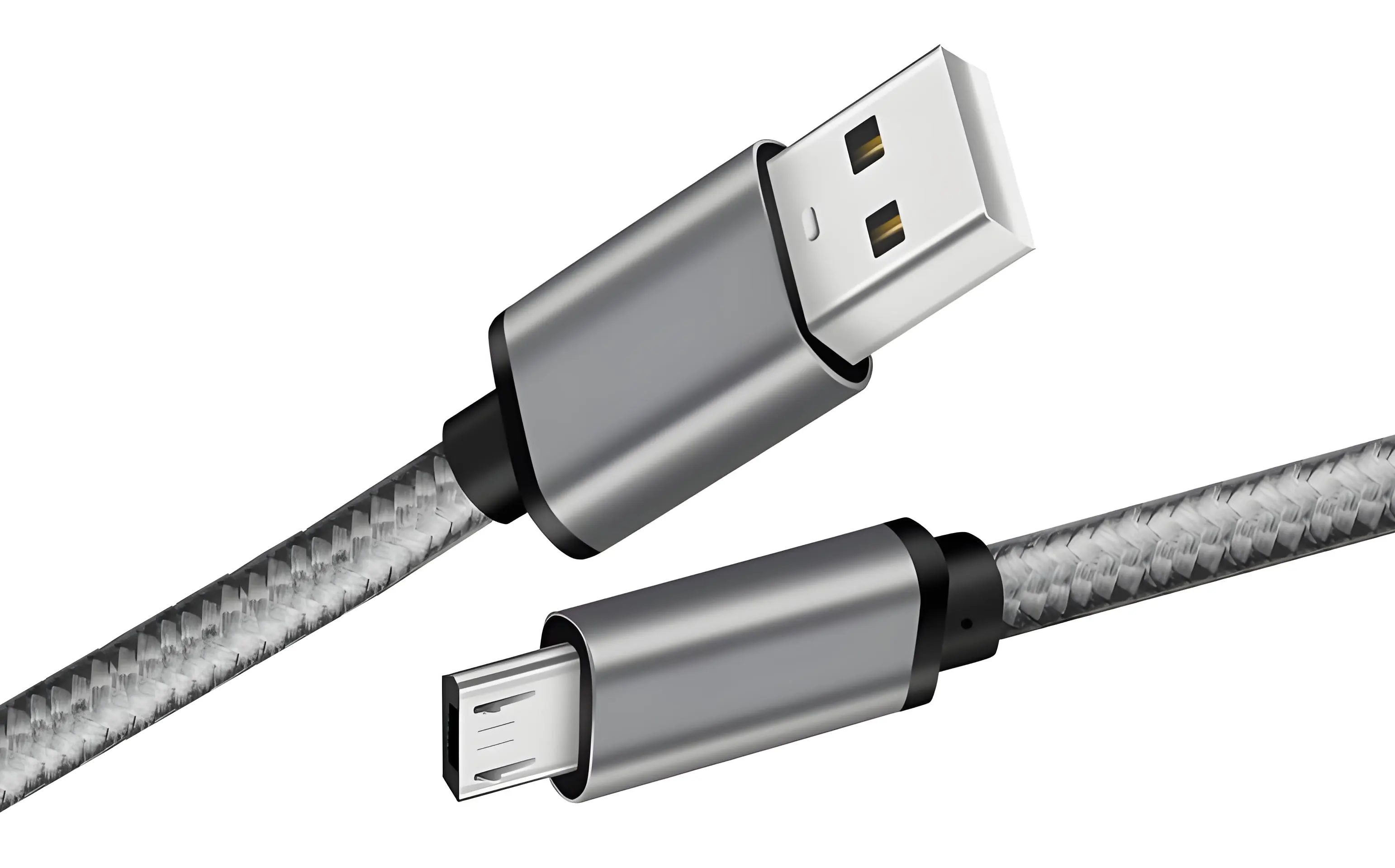
1. What is a Micro USB cable?
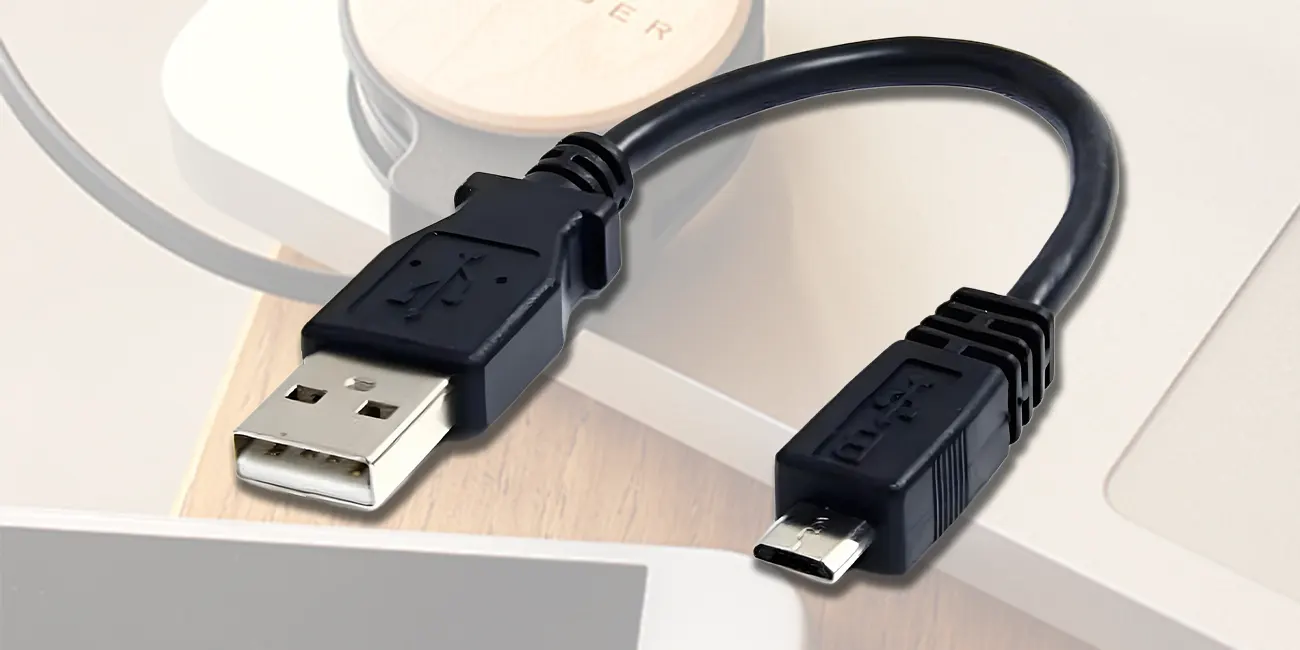
The Micro USB data cable is a common cable standard, primarily used for data transmission and power supply between mobile devices and computers or chargers. Smaller than standard USB interfaces, it is widely used in devices such as smartphones, tablets, Bluetooth headsets, and digital cameras. Due to its small size, low cost, and strong compatibility, Micro USB became a mainstream mobile device interface around 2010.
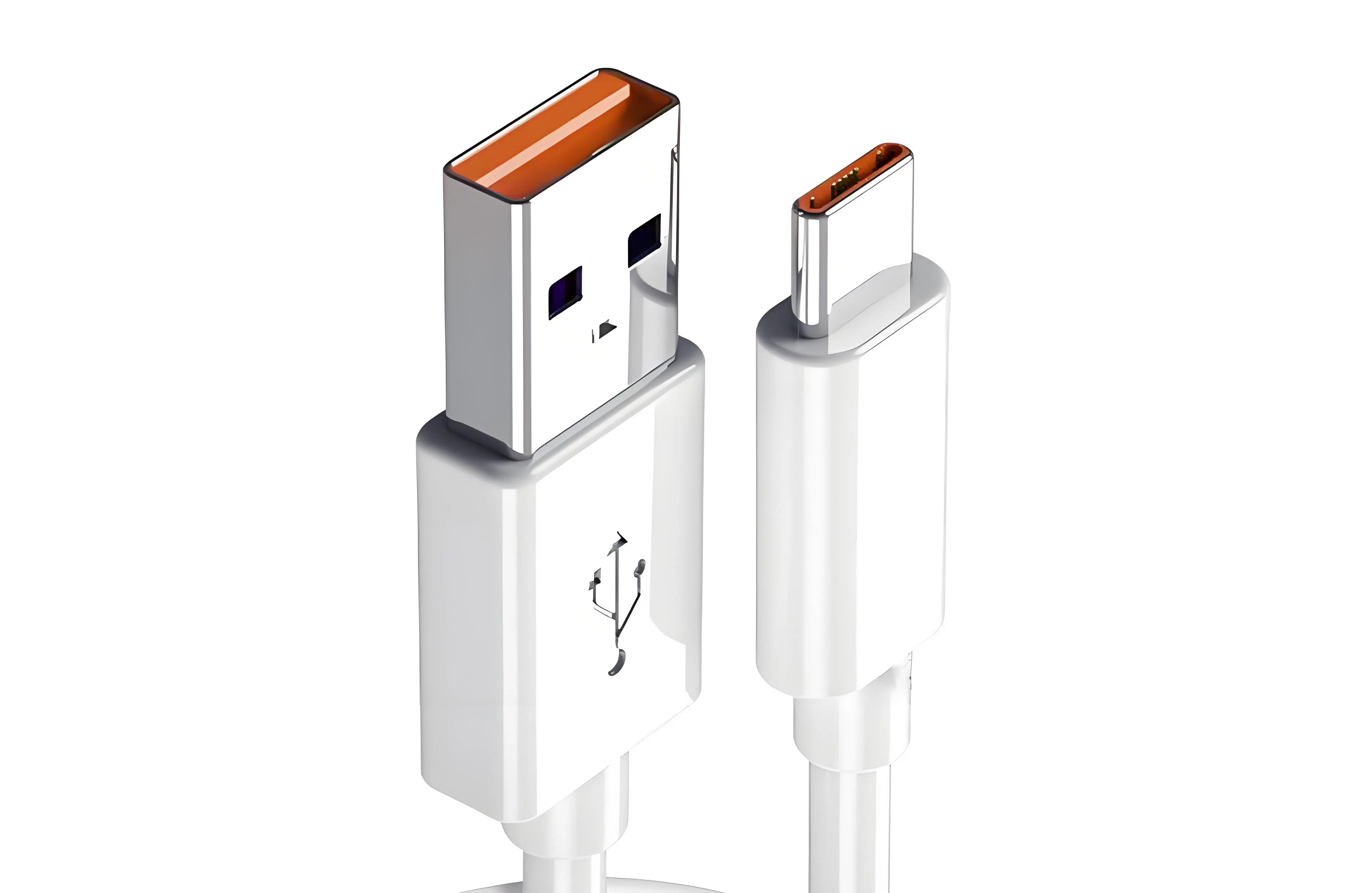
2. What is Micro USB Type-C?
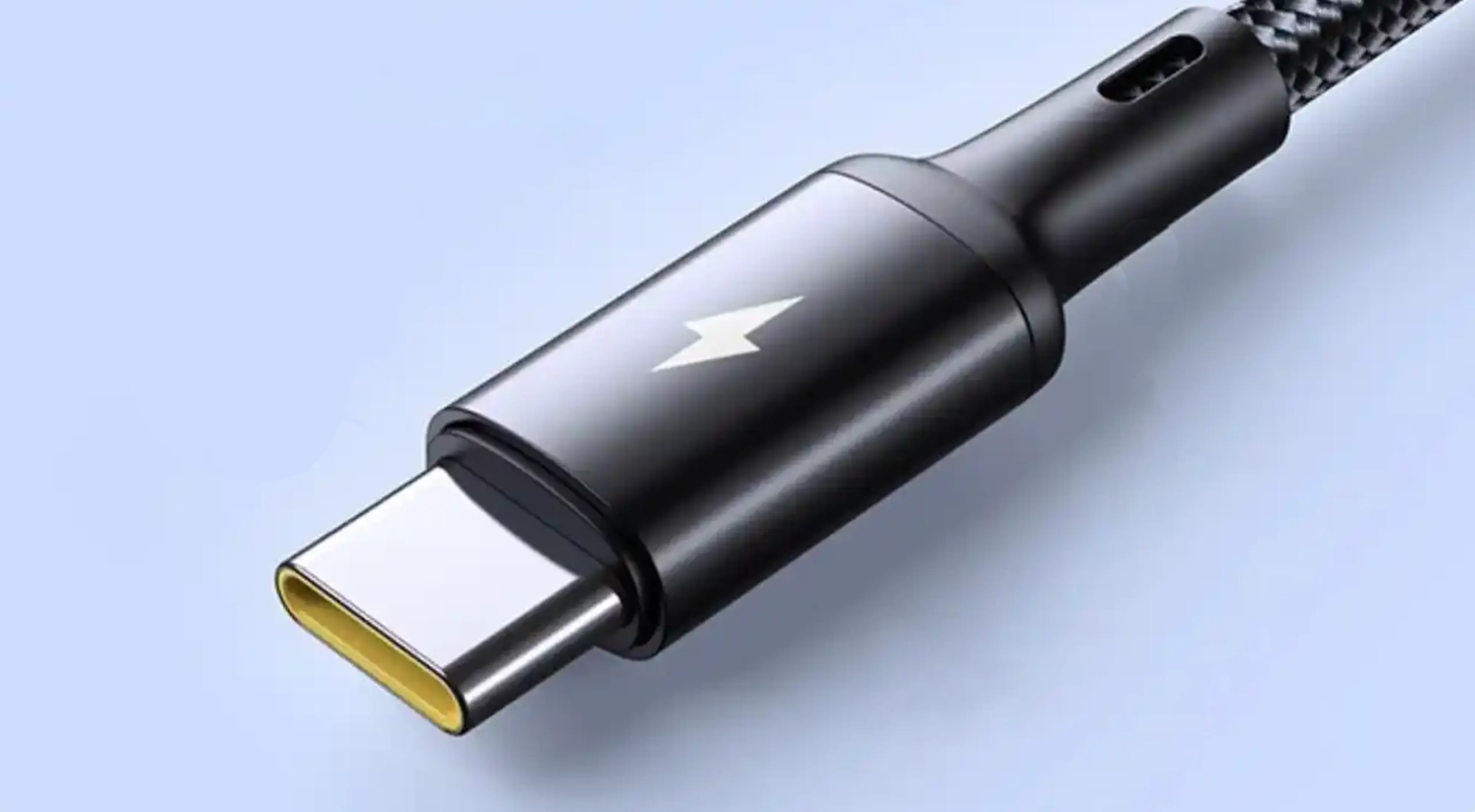
Strictly speaking, "Micro USB Type-C" doesn't exist, as Type-C is a new-generation interface independent of Micro USB. It features a reversible design, faster transfer speeds, support for higher currents, and versatile extensions (such as video output and fast charging protocols), gradually replacing traditional Micro USB. Some users, confusingly, refer to it as "Micro USB Type-C" when it actually refers to the USB Type-C connector.
3. What is Micro USB Type-B?
Micro USB Type-B is the most common Micro USB port, commonly found on devices such as Android phones, power banks, and Bluetooth speakers. It has a flat surface on one end and a slightly curved, concave surface on the other. The plug has a fixed orientation. The Type-B port supports USB 2.0 transfer rates of 480Mbps and can also charge devices.
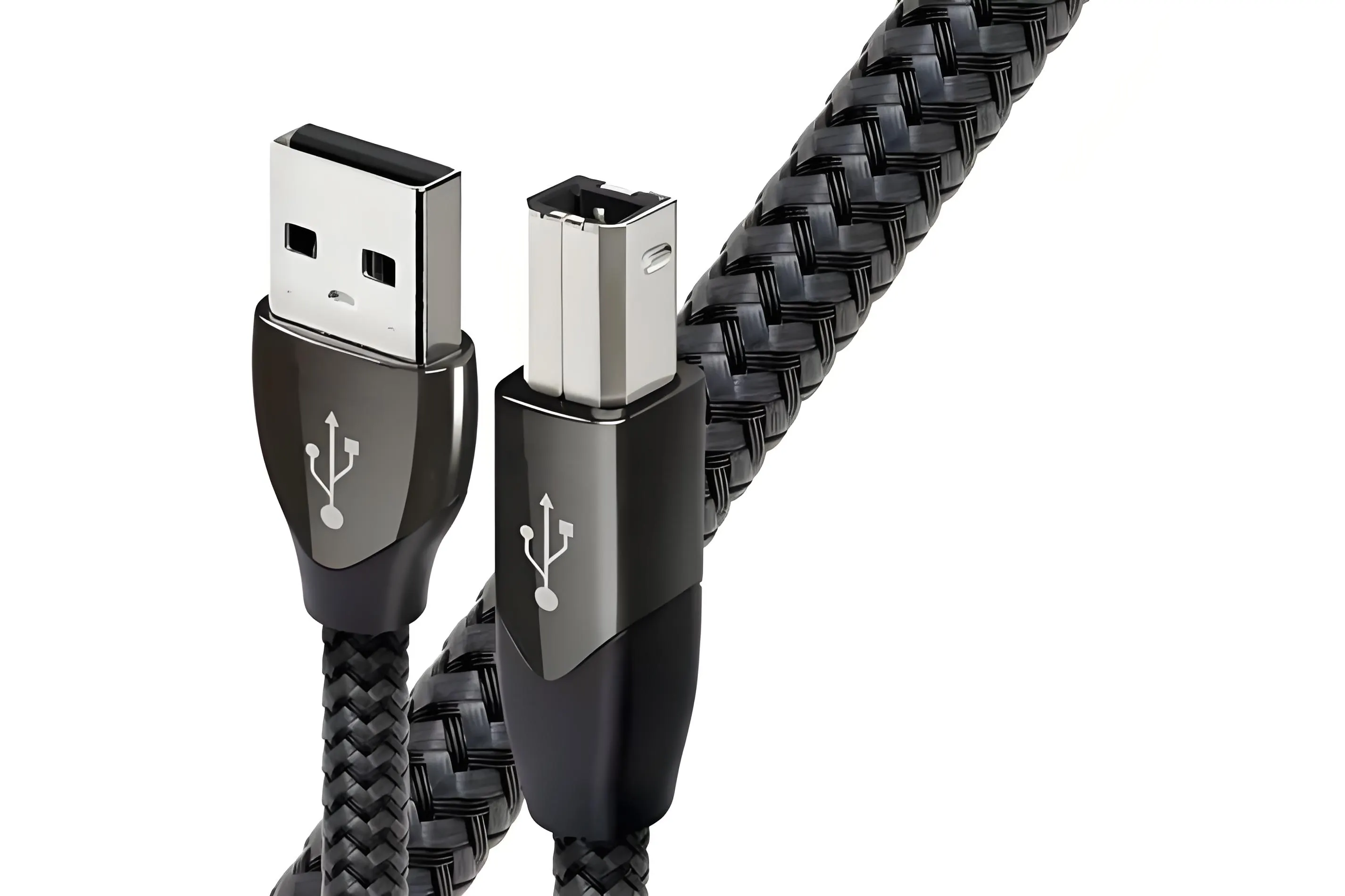
4. Micro USB cable type
Common Micro USB data cables fall into the following categories:
- Micro USB 2.0 cables: Commonly used for mobile phone charging and data transfer.
- Micro USB 3.0 cables: Featuring a wider connector and supporting faster transfer rates, they are commonly used for hard drives and cameras.
- Micro USB cables with OTG functionality: Allow mobile phones to directly connect to peripherals such as USB flash drives, keyboards, and mice.
- Fast-charging Micro USB cables: Support higher currents for fast charging.
5. Micro USB Applications
Micro USB data cables are widely used, primarily in the following applications:
- Consumer electronics: mobile phones, tablets, e-books, and headphones.
- Storage devices: external hard drives and digital cameras.
- Automotive electronics: dashcams and car audio players.
- Smart Home: Smart Speakers and Smart Sockets.
- Industrial equipment: some portable testing equipment and handheld terminals.
6. Differences between Micro USB and USB Type-C
- Connector Orientation: Micro USB can be inserted one way, while Type-C can be inserted forward or backward.
- Transmission Speed: Micro USB is typically USB 2.0 (480 Mbps), while Type-C supports USB 3.1/3.2/Thunderbolt.
- Power Delivery: Micro USB supports approximately 2A, while Type-C supports the Power Delivery protocol, enabling fast charging at over 100W.
- Functionality: Type-C can transmit audio and video, while Micro USB is primarily limited to charging and data transfer.
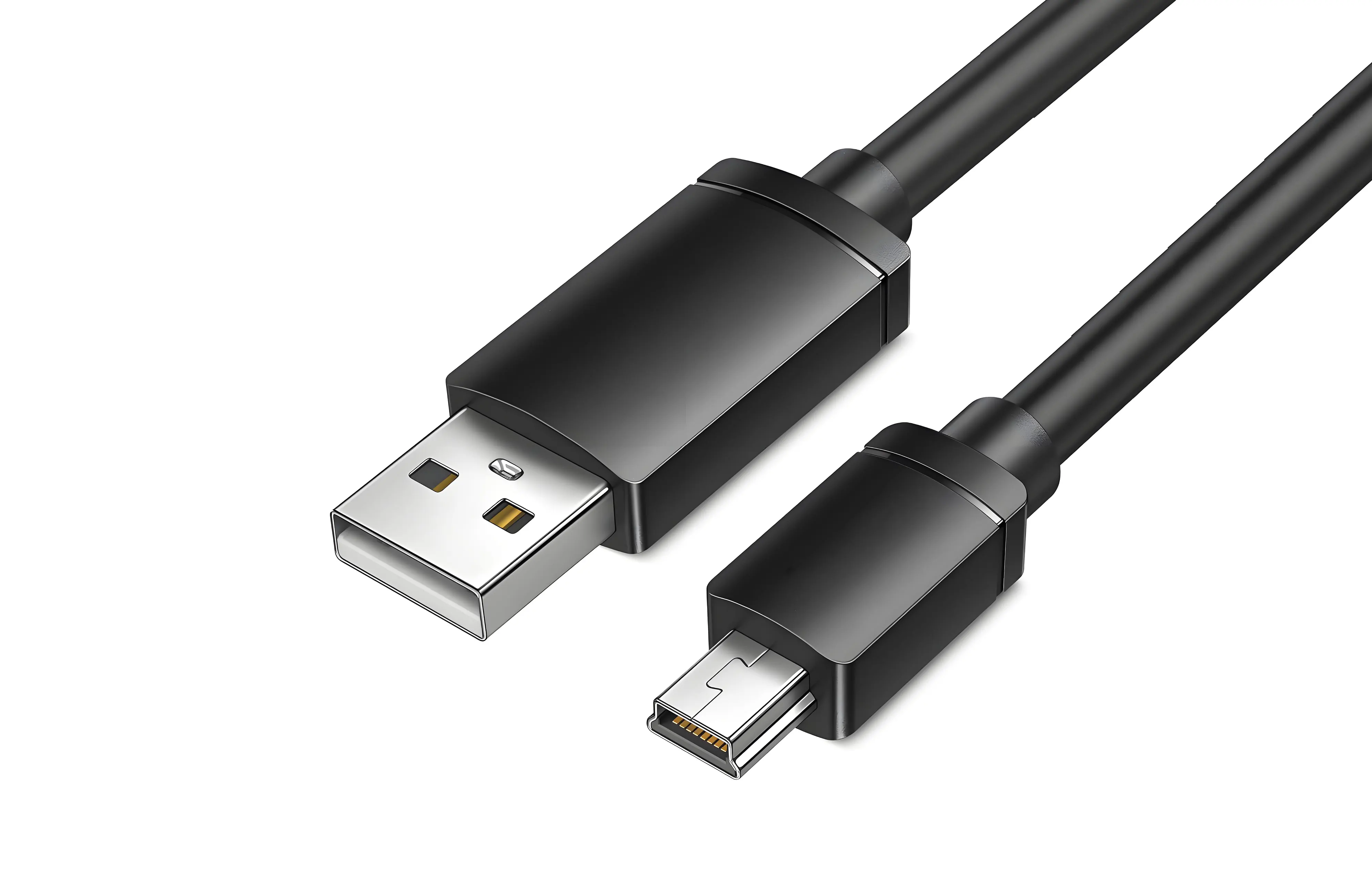
7. Micro USB vs. Mini USB: What's the Difference?
Mini USB is the predecessor standard to Micro USB, with a slightly larger connector. It's mostly used in older cameras, MP3 players, GPS devices, and other devices. In comparison:
- Size: Micro USB is more compact and suitable for lightweight devices.
- Lifespan: Micro USB is officially rated for up to 10,000 plug-in/plug-out cycles, while Mini USB is generally rated for around 5,000.
- Applications: Mini USB is gradually being phased out, while Micro USB remains widely used.
8. What is the USB Type-C fast charging protocol?
A major advantage of USB Type-C is its support for the USB Power Delivery (USB PD) fast charging protocol. This protocol allows devices to negotiate voltage and current over the Type-C port, enabling power delivery capabilities ranging from 5V/2A to 20V/5A (up to 100W).
- Intelligent Negotiation: The device and charger automatically match optimal charging parameters to ensure safety and efficiency.
- Widely Compatible: USB PD has been adopted by most mobile phone manufacturers, laptops, and peripherals.
- Compared to Micro USB: Micro USB typically offers fast charging speeds of 10W to 18W, while Type-C PD easily meets the needs of laptops, tablets, and high-power devices.
9. FAQs: Frequently Asked Questions About Micro USB Cables
Q1: How long does a Micro USB cable last?
A: With normal use, it can last several years, depending on the material and the protection of the connector. High-quality cables have a longer lifespan.
Q2: Can Micro USB cables fast charge?
A: Some Micro USB cables that support the QC protocol can fast charge, but the speed and power are not as good as USB Type-C.
Q3: What if I need a custom Micro USB cable for a specific application?
A: Customized Micro USB cable harnesses are often required for industrial, medical, or automotive applications. Kaweei, a custom cable harness manufacturer, can provide professional services. We can design and produce cables tailored to your needs, from material selection and shielding to interface compatibility.
Q4: Will Micro USB be completely replaced by Type-C?
A: While Type-C is gaining popularity, Micro USB will continue to exist in some low- and mid-range devices due to its cost advantages and device compatibility.
10. Conclusion
Micro USB cables, as a mature interface standard, once dominated the consumer electronics market thanks to their compact design and wide compatibility. While USB Type-C has gradually become the new mainstream, Micro USB remains popular in low-cost devices and some specialized applications. For businesses and individuals seeking customized, high-quality Micro USB cables, choosing a professional supplier like Kaweei Wire Harness Custom Factory ensures product reliability and compatibility.