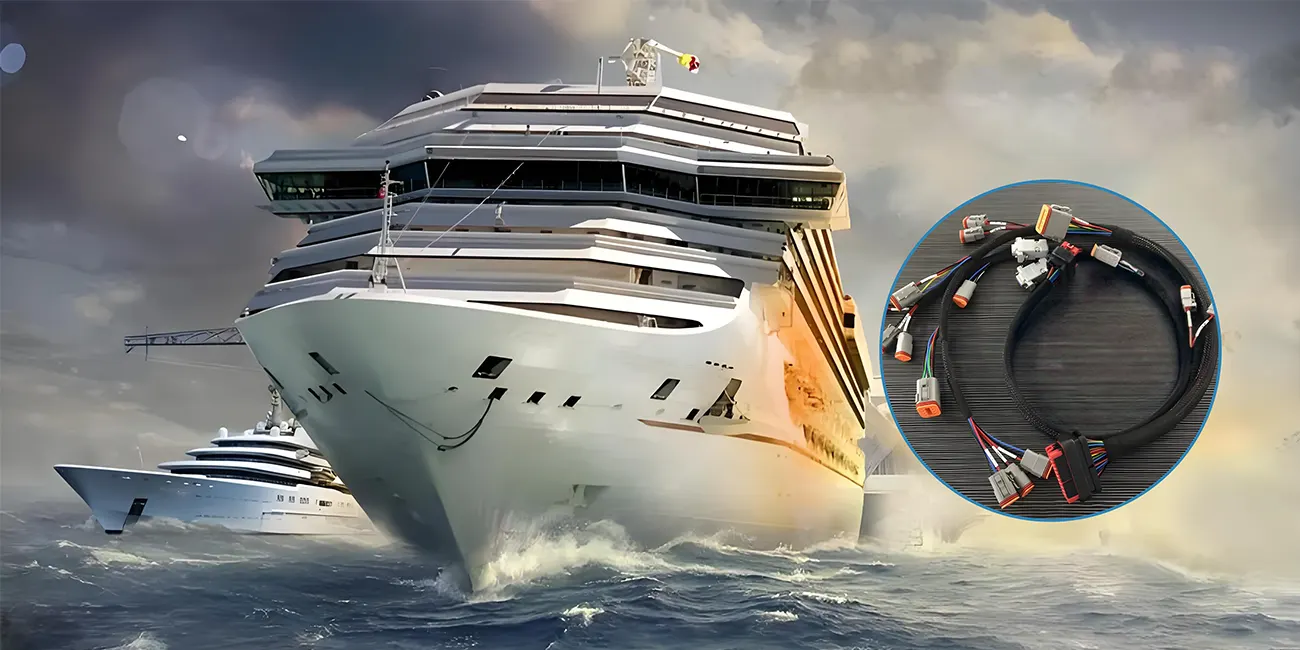
A marine wiring harness is a specialized electrical assembly engineered for ships, yachts, offshore platforms, and marine electronic systems. It integrates structured marine-grade wires, shielded cables, corrosion-resistant connectors, precision terminals, and multi-layer protective components into a unified, reliable system for onboard power distribution, low-noise signal transmission, and stable maritime communication operation.
Unlike conventional industrial and automotive wiring harnesses, marine cable assemblies operate in harsh, corrosive environments. They withstand long-term salt spray erosion, persistent high humidity, continuous mechanical vibration, drastic temperature fluctuations, and recurring water splash or temporary immersion. These rigorous operating conditions require superior waterproof performance, anti-corrosion durability, mechanical toughness, and environmental aging resistance that standard wiring solutions cannot deliver.
Marine harness design affects installation reliability, maintenance access, and electrical performance throughout the vessel. Well-structured marine wiring layouts reduce on-site assembly complexity, lower routine maintenance costs, and minimize common circuit faults including short circuits and signal instability. Reliable custom design and standardized manufacturing help stabilize core marine systems, covering engine control, marine navigation, onboard lighting, and maritime communication networks.
1. What Is a Marine Wiring Harness?
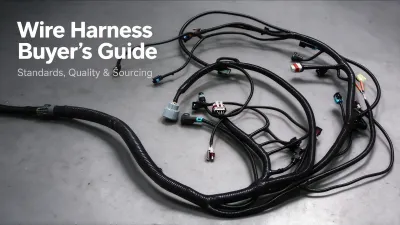
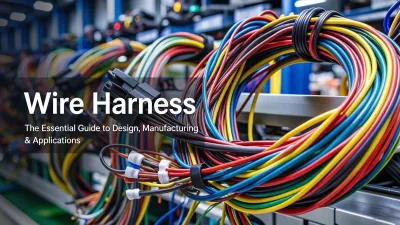
A marine wiring harness is an integrated, purpose-built electrical system that consolidates discrete wires and cables into a compact, shielded, modular assembly. Replacing messy, scattered individual cable installation across vessel interiors, standardized marine harness integration eliminates wiring chaos, reduces assembly difficulty, improves circuit consistency, and drastically simplifies future equipment inspection, fault repair, and routine maintenance.
A complete marine wiring harness typically consists of the following core components:
-
Marine-grade power, control, signal, and communication cables
-
Corrosion-resistant terminals and precision contact components
-
Multi-layer protective sleeves, conduits, and insulating jackets
-
Waterproof sealing accessories and insulation protection parts
-
Fixed mounting clips, brackets, and routing fixtures
Marine wiring harnesses can be customized with different connector types, sealing structures, and protection configurations according to vessel type, installation location, and functional requirements, covering engine compartments, navigation systems, battery management units, control panels, and offshore electrical equipment.
2. Core Components of Marine Wiring Harness
The overall performance, durability, and environmental adaptability of marine wiring harnesses depend on the precise matching of conductors, insulation materials, protective structures, and connection components. Every part is strictly selected to resist marine-specific environmental damage.
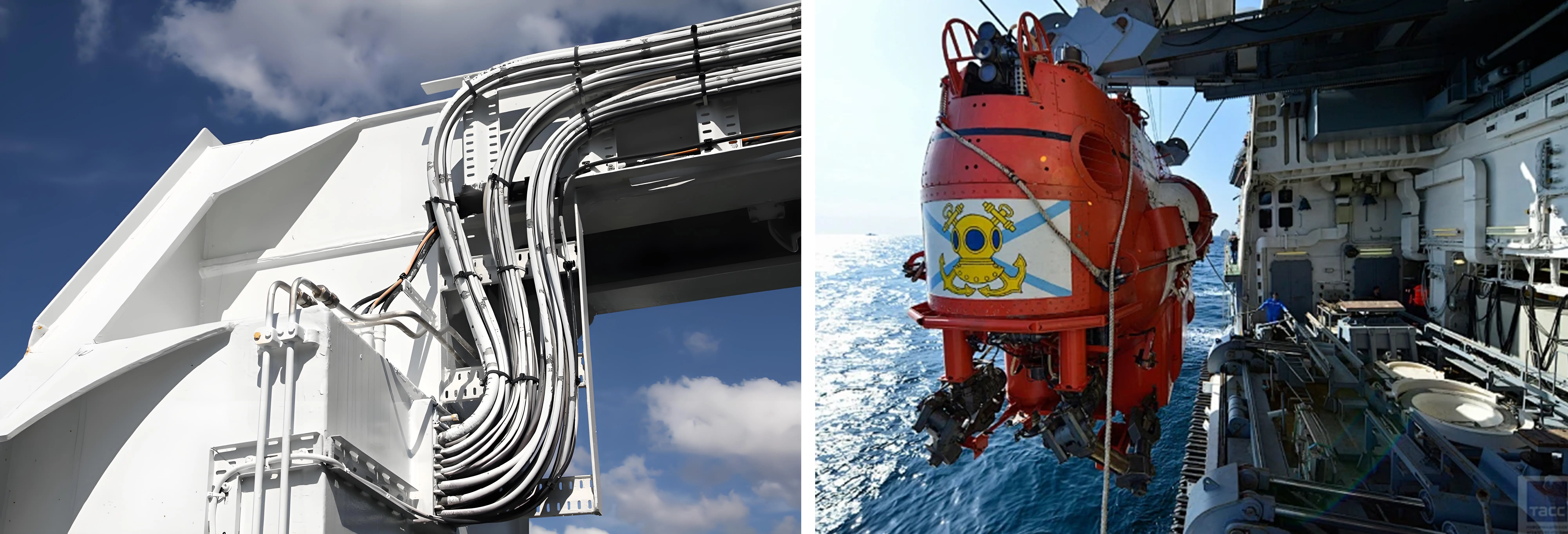
2.1 Marine-Grade Wires and Cables
Marine electrical cables commonly use tinned copper conductors because tin plating improves resistance to oxidation and corrosion in humid and salt-exposed environments, the leading cause of marine circuit degradation. The copper core delivers stable power and signal transmission with excellent bending flexibility for complex vessel routing. Unlike ordinary commercial cables, marine-grade wires feature integrated moisture resistance, oil resistance, flame retardancy, UV stability, and abrasion resistance to suit open-water and enclosed engine room environments.
|
Cable Type
|
Typical Marine Application
|
Key Material & Performance Features
|
|---|---|---|
|
Power Cable
|
Vessel battery systems, propulsion motors, main electrical equipment
|
Tinned copper conductor, heavy-duty marine insulation, high current carrying capacity
|
|
Control Cable
|
Engine control systems, marine automation equipment
|
Multi-core flexible structure, anti-vibration, stable low-signal transmission
|
|
Signal Cable
|
Marine sensors, monitoring and detection systems
|
Shielded structure, EMI interference resistance, high signal accuracy
|
|
Communication Cable
|
Onboard network, data transmission, maritime communication devices
|
Twisted pair, Ethernet or fiber optic structure, anti-interference, high-speed stable transmission
|
2.2 Waterproof & Corrosion-Resistant Connectors and Terminals
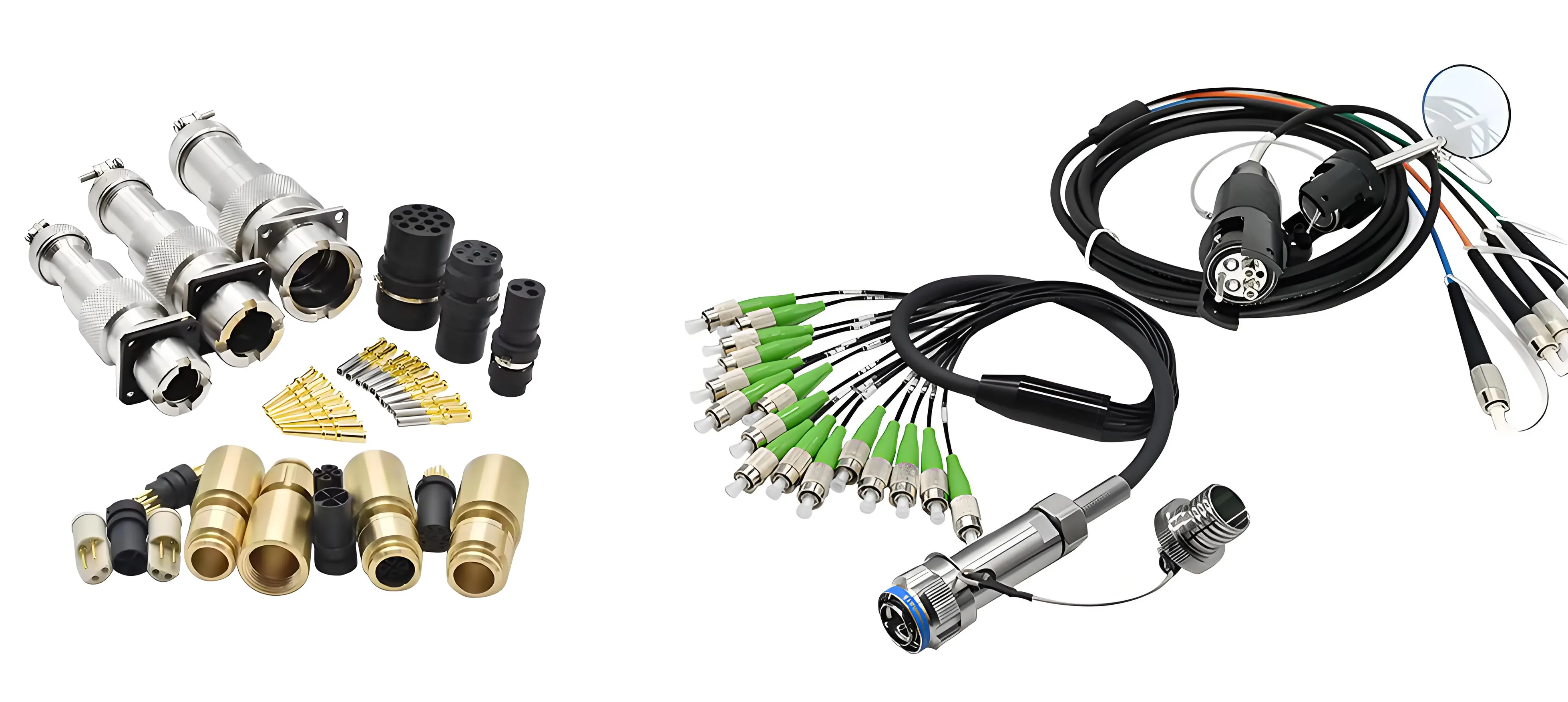
Connectors and terminals are the most failure-prone critical points in marine electrical systems, directly determining overall waterproof performance, connection stability, and anti-loosening reliability. All marine-grade connectors are purpose-built for maritime conditions, featuring integrated rubber sealing rings, waterproof anti-disengagement locking structures, corrosion-resistant precious metal plating, and vibration-proof locking mechanisms to adapt to persistent vessel movement and salt exposure.
Different onboard installation zones require graded IP protection ratings (IP65/IP67/IP68) tailored to environmental stress. Exposed deck equipment demands high-level splash and temporary immersion resistance; engine compartment connectors prioritize high-temperature tolerance and anti-vibration performance; precision navigation and communication connectors require advanced EMI shielding and ultra-stable signal transmission. Properly selected marine connectors help reduce risks such as contact oxidation, water ingress, loose connections, and intermittent signal failures.
2.3 Protective Sleeving & Mechanical Protection Structures
Marine wiring harnesses face long-term mechanical vibration, friction, impact, and bending during vessel navigation. Multi-layer mechanical protection is essential to prevent insulation damage and circuit failure.
-
Braided Sleeves: Provides excellent abrasion resistance, organizes cable layout, and supports flexible routing for movable wiring areas.
-
Corrugated Tubes: Delivers strong mechanical impact resistance, widely used in high-vibration areas such as engine rooms and propulsion systems.
-
Heat Shrink Tubes: Achieves terminal sealing, waterproof insulation, and strain relief to prevent terminal loosening and water penetration.
-
Custom Protective Jackets: Adopts marine-grade PVC, XLPE, silicone, and flame-retardant composite materials, customized according to temperature range, humidity, and environmental exposure conditions.
3. Core Design Requirements for Marine Wiring Harness
Marine harness design requires systematic engineering consideration, balancing electrical performance, environmental adaptability, mechanical safety, space utilization, and long-term maintainability. All design standards are strictly oriented to the extreme working conditions of marine environments.
3.1 Waterproof Protection & Anti-Corrosion Performance
Waterproof and anti-corrosion performance is the top design priority for all marine wiring harnesses. Vessel operating environments feature persistent high humidity, corrosive salt spray, frequent water splashing, and occasional short-term water immersion — conditions that rapidly cause metal oxidation, contact corrosion, and insulation aging in standard wiring systems.
Professional marine harnesses adopt multi-layer synergistic protection strategies to combat marine environmental damage, including waterproof sealed connectors, fully sealed insulated terminals, heat-shrink sealing reinforcement, full-wrap protective sleeves, and waterproof cable glands. Graded IP protection is deployed by application scenario: IP65 for dust-proof and splash-proof indoor/deck areas. IP67 provides protection against temporary immersion under specified test conditions, while IP68 is used where protection against continuous or extended immersion is required under manufacturer-defined test conditions. Additionally, tinned copper conductors, nickel/gold-plated corrosion-resistant terminals, and marine-grade insulating materials are standard to suppress salt corrosion and extend harness service life.
3.2 Vibration Resistance & Mechanical Durability
Marine vessels generate continuous high-frequency vibration and mechanical shock during navigation, particularly in engine rooms, propulsion systems, and hydraulic equipment compartments. Long-term unregulated vibration commonly causes terminal loosening, wire fatigue fracture, insulation abrasion, and accidental connector disconnection, leading to sudden electrical system failure.
To mitigate vibration-related failure risks, marine harness design follows strict standardized routing and fixing specifications. Engineers avoid sharp bending and excessive cable tension, prevent harness contact with moving mechanical components, deploy dedicated anti-vibration cable clips and fixed mounting brackets, and enforce standardized minimum bending radii for all cable types. This systematic structural design ensures long-term mechanical stability and vibration resistance for marine wiring systems.
3.3 Flame Retardancy & Marine Safety Standards
Enclosed cabin and equipment compartment structures on vessels create high fire risks, making flame retardancy and thermal stability non-negotiable safety requirements for marine wiring harness materials. All adopted materials meet strict marine safety standards, featuring flame retardancy, low smoke density, heat resistance, and oil resistance. High-performance options include flame-retardant XLPE insulation, low-smoke halogen-free jackets, and durable marine-grade silicone rubber.
For commercial vessels, offshore platforms, and marine engineering equipment, wiring harnesses must comply with international marine safety specifications, including IEC 60092 electrical standards and mainstream classification society requirements (ABS, DNV, LR), ensuring stable and safe operation under extreme marine working conditions.
3.4 Space Optimization & Modular Design
Onboard installation space is extremely limited with dense equipment layouts. Marine wiring harnesses adopt integrated modular design, merging multiple independent circuits into a compact assembly to eliminate cable clutter and save vessel space. Segmented modular structures support independent installation, inspection, troubleshooting, and partial replacement of individual electrical subsystems, reducing equipment downtime and maintenance workload.
|
Environmental & Operational Requirement
|
Targeted Marine Harness Design Consideration
|
|---|---|
|
Saltwater & salt spray exposure
|
Tinned copper conductors, corrosion-resistant plated terminals, anti-rust hardware and marine-grade insulation
|
|
Water splash or immersion risk
|
Sealed marine connectors, heat-shrink sealing for terminals, graded IP-rated protection matching installation zones
|
|
Elevated engine-room temperature
|
High-temperature resistant wire insulation (XLPE/silicone) and heat-stabilized connector materials
|
|
Continuous mechanical vibration
|
Positive-lock connectors, reinforced strain relief, fixed routing clips and controlled cable bending radius
|
|
EMI-sensitive signal circuits
|
Shielded or twisted-pair cables, standardized grounding strategies, isolated signal routing
|
|
Tight and confined routing space
|
High-flexibility marine cables, optimized branch layout, strictly controlled minimum bend radius
|
|
Long-term offshore exposure
|
UV-stabilized jackets, salt-spray resistant materials, enhanced mechanical and chemical protection
|
4. Professional Marine Wiring Harness Manufacturing Process
High-reliability custom marine wiring harnesses depend on professional engineering design and strict full-process manufacturing control. Qualified marine harness manufacturers implement standardized production and testing workflows from initial engineering review to final delivery, ensuring every assembly meets strict marine environmental and electrical safety standards.
-
Engineering Review & Custom Design: Verify circuit diagrams, electrical parameters, installation environment, and connector specifications; confirm wire gauge, harness length, branch structure, and protection scheme; support 3D routing design and customized drawing docking.
-
Precision Wire Preparation: Use automatic equipment for fixed-length cutting, precise stripping, and uniform labeling to ensure consistent wire specifications and standardized identification.
-
Terminal Crimping & Sealing Assembly: Precisely control crimping force and pull-out strength to ensure stable terminal connection; install waterproof plugs, rubber seals, and heat-shrink tubes for all waterproof nodes.
-
Harness Routing & Protection Installation: Assemble branches, wrap protective sleeves, fix wiring clips, and complete overall protection treatment in strict accordance with design drawings.
-
Full-Function Testing & Quality Inspection: Conduct continuity testing, insulation resistance testing, high-voltage withstand testing, and waterproof sealing inspection, accompanied by visual and dimensional verification to ensure full compliance with marine specifications.
5. Industry Standards & Compliance Requirements
Marine electrical systems are directly related to vessel navigation safety, so harness manufacturing must comply with unified international industry standards and classification society certification requirements.
5.1 IEC 60092 Series for Ship Electrical Installations
The IEC 60092 series is the globally recognized core standard for ship electrical installations. It covers electrical system design, marine cable selection, onboard wiring installation methods, environmental adaptability, and electrical safety assessment, delivering authoritative guidelines for marine wiring harness design and manufacturing rather than serving as a standalone harness production specification.
5.2 Classification Society Certification Specifications
Commercial ships, offshore platforms, and large-scale marine engineering equipment require electrical systems to pass safety certification from mainstream international classification societies, including ABS, DNV, and LR. Standard-compliant marine wiring harnesses meet international maritime safety regulations and are qualified for high-standard marine engineering projects worldwide.

6. Typical Application Scenarios of Marine Wiring Harness
6.1 Yacht & Pleasure Craft Harnesses
Yacht and pleasure craft wiring harnesses prioritize compact layout, clean installation aesthetics, low electromagnetic interference, and long service life. They are widely used in yacht navigation systems, onboard entertainment equipment, marine lighting circuits, battery management systems, and control panels, balancing reliable electrical performance and vessel interior aesthetics.
6.2 Commercial Vessel Harnesses
Commercial vessel wiring harnesses feature ultra-high mechanical durability and continuous operational stability. Designed for long-haul navigation and uninterrupted operation, they support engine monitoring, centralized power distribution, maritime communication, and safety alarm systems, adapting to severe vibration, salt corrosion, and long-duration marine environmental exposure.
6.3 Offshore Equipment Harnesses
Offshore equipment harnesses adopt top-tier waterproof, anti-corrosion, and anti-interference design, suitable for extreme open-sea environments. Commonly applied on offshore platforms, marine monitoring devices, and shallow-water underwater systems, they reliably resist seawater immersion, salt corrosion, drastic temperature changes, and mechanical impact.
7. Marine Wiring Harness vs Automotive Wiring Harness
While marine and automotive wiring harnesses both serve equipment electrical connection and signal transmission, their operating environments, design priorities, and performance standards differ drastically, resulting in completely differentiated material selection and structural design requirements.
|
Feature
|
Marine Wiring Harness
|
Automotive Wiring Harness
|
|---|---|---|
|
Main Operating Environment
|
Salt spray, high humidity, seawater splash/immersion, persistent vibration
|
Road vibration, atmospheric temperature change, ordinary atmospheric environment
|
|
Core Technical Challenges
|
Salt corrosion resistance, long-term waterproof sealing, environmental aging resistance
|
Heat dissipation, vibration resistance, lightweight integration
|
|
Protection Level
|
IP65–IP68 graded waterproof and anti-corrosion protection
|
Partial IP protection, focusing on dust and water splash prevention
|
|
Core Material Requirements
|
Marine-grade anti-corrosion, salt-resistant, waterproof materials
|
Lightweight, heat-resistant, and cost-effective materials
|
|
Design Priority
|
Long-term environmental reliability and safety
|
Space compactness and vehicle matching integration
|
8. Custom Marine Wiring Harness Solutions
Standard off-the-shelf wiring harnesses rarely match the unique structural layouts, environmental adaptation needs, and safety specifications of specialized marine and offshore equipment. Professional custom marine wiring harness services deliver one-stop engineering solutions covering personalized design, precision manufacturing, and strict performance testing to fit project-specific operating conditions.
-
Engineering Customization: Professional cable selection, connector matching, structural optimization, and circuit diagram review according to project requirements.
-
Flexible Production: Support prototype verification, small-batch customization, and mass OEM production to meet diverse project demands.
-
Strict Quality Control: Full-dimensional testing including electrical performance, waterproof sealing, and structural stability to ensure compliance with marine industry standards.
9. Advantages of Professional Marine Harness Manufacturers
Reliable marine wiring harness performance depends on targeted engineering design and standardized manufacturing processes. Experienced harness manufacturers optimize structural layouts and protection schemes to address common marine environmental challenges, follow strict waterproof, anti-corrosion and anti-vibration process standards, and support flexible customization for yachts, commercial vessels, and offshore engineering equipment.
10. Frequently Asked Questions (FAQ)
Q1: What is a marine wiring harness? A marine wiring harness is a custom engineered electrical assembly exclusively for ships and offshore marine equipment. It integrates specialized wires, shielded cables, waterproof connectors, corrosion-resistant terminals, and multi-layer protective structures to realize stable onboard power distribution and low-interference signal transmission.
Q2: How do marine harnesses differ from standard wiring harnesses? Marine wiring harnesses are purpose-built for harsh saltwater, high-humidity, and high-vibration marine environments, with upgraded standards for waterproof sealing, salt corrosion resistance, environmental aging resistance, and operational safety that far exceed ordinary industrial and automotive wiring harnesses.
Q3: Are marine wiring harnesses fully waterproof? Marine wiring harnesses can be built with graded waterproof performance based on application requirements. Custom configurations support IP65, IP67, and IP68 protection levels to resist dust, water splash, temporary immersion, or extended immersion under defined test conditions.
Q4: What materials are used for marine wiring harnesses? Marine-grade harnesses adopt strictly selected materials, including anti-corrosion tinned copper conductors, waterproof PVC/XLPE/silicone insulation, sealed marine connectors, and anti-rust plated terminals, matched with multi-layer protective sleeves for comprehensive environmental protection.
Q5: Can marine wiring harnesses be fully customized? Yes. Most core parameters can be tailored to project requirements, including harness length, branch layout, cable gauge, connector model, IP protection grade, and routing scheme, to match unique vessel and offshore equipment designs.
Conclusion
Marine wiring harnesses are critical safety components for modern marine electrical systems. Unlike ordinary land-based wiring assemblies, they adapt to saltwater, high humidity, and continuous vibration through targeted material selection, multi-dimensional environmental protection, vibration-resistant structural design, and standardized testing. Custom marine harness solutions improve vessel electrical safety, simplify on-site installation and routine maintenance, and deliver stable performance for yachts, commercial vessels, and offshore engineering equipment.
Need reliable custom marine wiring harness solutions? Our team provides professional engineering design, customized material matching, IP-grade protection customization, and full-performance testing for all marine and offshore harness projects. Contact us for tailored drawings, prototype verification, and mass production support.