By quanyu lee
2025-03-21 07:16:21
Application of aluminum wire in high-voltage wiring harnesses for new energy
With the rapid expansion of electric vehicles (EVs), hybrid electric vehicles (HEVs/PHEVs), and energy storage systems, the electrical architecture of vehicles is evolving towards higher voltage, higher current, and higher power density. To improve performance while reducing vehicle weight and cost, traditional copper wiring harnesses are gradually becoming insufficient to meet the overall optimisation requirements of new energy systems.
Against this backdrop, "aluminium wire high-voltage wiring harnesses" have become a key area of investment for major OEMs, battery manufacturers, and high-voltage power distribution companies.
This article will systematically explain the value of aluminium wire in the field of new energy high-voltage wiring harnesses, covering material properties, electrical performance, reliability engineering, application scenarios, common misconceptions, and future trends.
Ⅰ.Why are new energy vehicles starting to use aluminum wires?
1. Significant Weight Reduction Benefits
Aluminum has a density approximately 30% that of copper, allowing for a 35-50% reduction in wiring harness weight for the same current capacity.
For new energy vehicles containing hundreds of HV branches, including charging systems, high-voltage distribution boxes, PTC heaters, and three-in-one electric drives, weight reduction can significantly improve driving range.
2. More Competitive Material Costs
The raw material price of aluminum is approximately 1/3 to 1/2 that of copper. Considering the tens of meters of HV wiring in a vehicle, this can save 20-40% in high-voltage wiring harness costs.
3. Slightly Higher Resistance, but Compensable Through Structural Modification
Although aluminum wire has higher resistance than copper, the current-carrying requirements of 400V/800V platforms can be fully met through methods such as increasing the cross-sectional area, using multi-strand stranded structures, and surface plating.
4. More suitable for high current and long-distance transmission
Aluminum exhibits stable performance in high current density and long-distance transmission, making it suitable for long-distance HV lines between the main bus and battery pack in EVs.
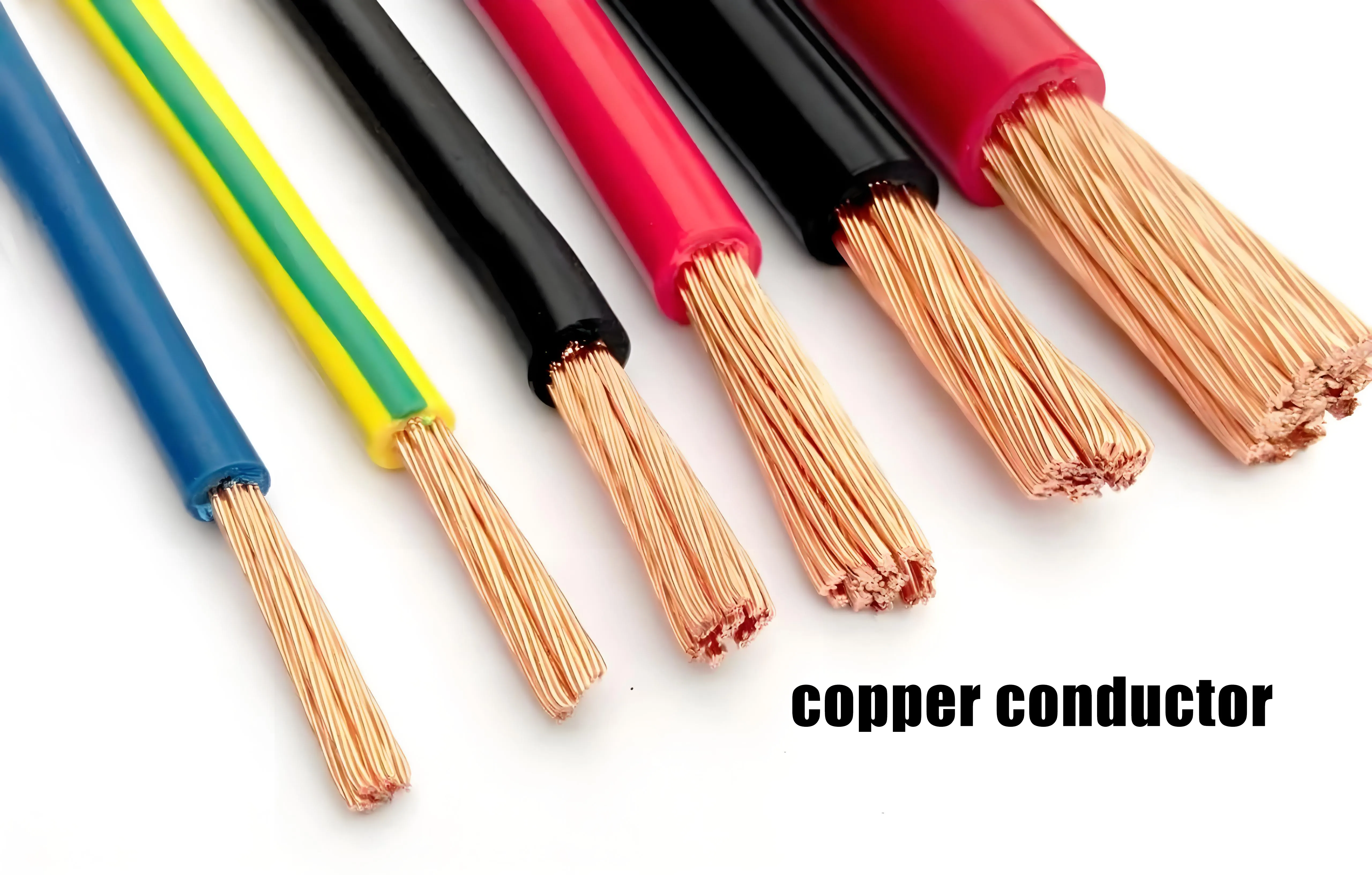
II. Key Technical Aspects of Aluminum Wire in High-Voltage Wiring Harnesses
1. Conductor Structure: Aluminum wire is not simply a matter of "changing materials"
The aluminum wires used in new energy vehicles generally fall into the following three categories:
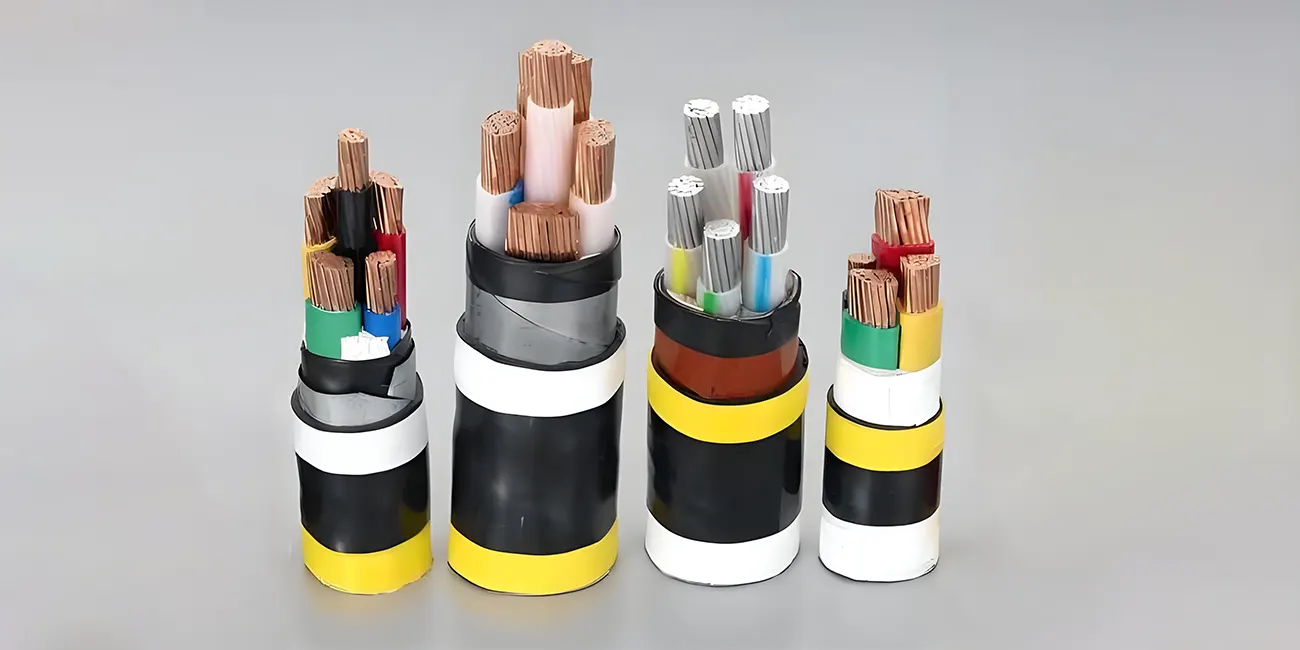
- AA-8000 series automotive aluminum alloy conductors
- Stranded aluminum conductors
- Copper-clad aluminum (CCA) is used for signal-related HV sensing in non-main current branches.
Compared to traditional aluminum wires used in home decoration, automotive-grade aluminum alloys incorporate trace elements such as silicon and iron, giving them greater flexibility and shear resistance.
2. Connector Terminal Technology: The Biggest Challenge in Aluminum Wire Wiring
Aluminum is prone to oxidation, has low hardness, and exhibits significant creep; therefore, terminals are crucial in determining the safety of aluminum wire harnesses.
Common industry solutions include:
- Tin-plated Al terminal for aluminum wire corrosion protection
- Friction welding of aluminum to copper dissimilar metals
- Ultrasonic Al bonding
- Busbar connection technology for aluminum to copper transition plates
The purpose of these technologies:
- Reduce contact resistance
- Prevent heat generation caused by oxidation
- Improve long-life vibration resistance
- Prevent localized arcing under high-voltage conditions
3. Insulation material and sheath structure compatibility
Aluminum wire is commonly used:
- XLPE (cross-linked polyethylene)
- ETFE/XL-FEP
- High-temperature resistant TPE
The reason is that aluminum wire has a different heat dissipation performance than copper, requiring a more stable insulating material to maintain insulation thickness and dielectric strength.
4. EMC Shielding and High-Voltage Safety Design
Aluminum wires used in HV (High-Voltage Orange) transmission lines are primarily located in high-radiation areas, requiring thorough shielding.
Common methods:
- Aluminum-magnesium alloy braided shielding
- Copper braided shielding + aluminum conductor composite shielding
- External aluminum foil overall shielding layer
Shielding integrity directly affects the anti-interference capability of OBC/DC-DC/motor controllers.
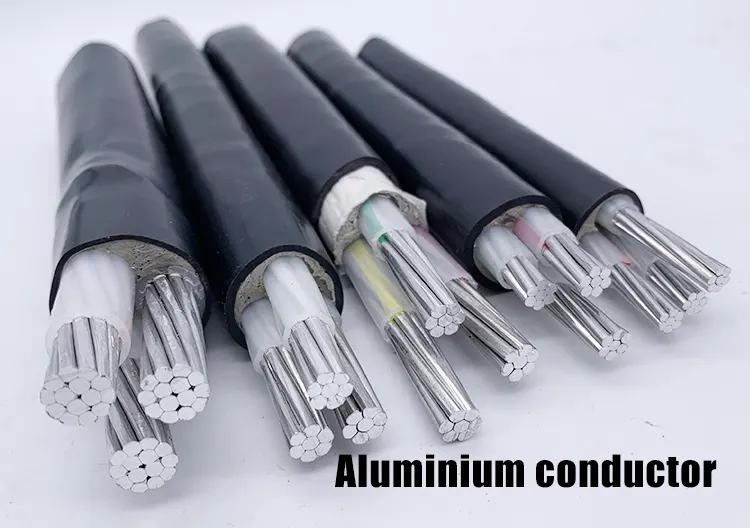
III. Typical Application Scenarios of Aluminum Wires in New Energy Vehicles
1. Battery Pack High-Voltage Main Cable (Battery HV Cable)
Used to connect the battery pack, distribution box, and fast charging port, this is the most mature application scenario for aluminum wires.
2. 800V Platform High Current Path
High-power three-in-one electric drive systems have high requirements for cable cross-sectional area, where aluminum wire offers significant advantages.
3. OBC (On-Board Charger) and PDU (Power Distribution Unit)
For long-path high-voltage busbars, aluminum wire saves on cost and weight.
4. High-Power Thermal Management System
Aluminum wires are gradually being used in the high-voltage branches of PTC heaters and battery heat pump systems.
IV. Common Misconceptions: Are aluminum wires less safe than copper wires?
Misconception 1: Aluminum wires break easily.
Hyundai AA-8000 series aluminum alloys fully meet automotive-grade requirements in terms of tensile strength and flexibility.
Misconception 2: Aluminum wires oxidize easily.
This can be completely solved by tin plating, using corrosion-resistant terminals, and sealing O-rings.
Misconception 3: Aluminum wires generate more heat.
Heat generation depends on contact resistance. Good terminal processing and crimping techniques can make the operating temperature of aluminum wires comparable to that of copper wires.
Misconception 4: Aluminum wire is not suitable for high voltage
In fact, high voltage cables are an area where aluminum excels (e.g., 99% of power transmission lines use aluminum).
V. Testing and Verification Process for Aluminum High-Voltage Wiring Harnesses
To meet automotive-grade requirements, aluminum wiring harnesses typically need to pass the following tests:
- ISO 6722-1 / 6722-2 Cable Testing
- LV216 / LV214 High Voltage Harness Standards
- Vibration Durability: 100–200h Class VI
- Temperature Cycling: –40°C~150°C
- Salt Spray Corrosion: 500h+
- Long-Term Contact Impedance Monitoring
- High Voltage Arc Resistance Test (HVIL)
- Thermal Shock and Damp Heat Test
These verifications ensure the long-term stability of the aluminum wire high-voltage harness.
VI. Outlook on the Trend of Aluminum Wire Replacing Copper Wire
| Technical direction | Trend |
| 800V platform | The proportion of aluminum wire is rising rapidly. |
| High current charging | Large cross-section aluminum wire becomes mainstream |
| Battery Thermal Management System | Aluminum wire is often used to reduce weight. |
| Lightweight regulations | Promoting the comprehensive adoption of aluminum materials in vehicle systems |
| Dissimilar metal joining technology | This will further reduce the risk of aluminum wire failure. |
With the development of high-voltage platforms, fast charging, and high-power electric drives, aluminum wire high-voltage harnesses will become one of the core technologies for new energy vehicles.
VII. Engineering Manufacturing of Aluminum High-Voltage Wiring Harnesses: The Importance of Collaborating with Specialized Factories
The actual development of aluminum high-voltage wiring harnesses involves extremely high engineering complexity, including terminal crimping methods, dissimilar metal connections, insulation material matching, vibration life, and salt spray corrosion protection. Therefore, many new energy vehicle manufacturers collaborate with suppliers possessing experience in aluminum wiring harness manufacturing processes, such as WIRE HARNESS ASSEMBLY (a specialized wiring harness customization factory under Kaweei). These factories typically possess capabilities such as friction welding, ultrasonic metal welding, high-current terminal crimping verification, and withstand voltage testing, ensuring the long-term stable operation of aluminum high-voltage wiring harnesses under 400V/800V conditions.
VIII. Conclusion
The application of aluminum wire in high-voltage wiring harnesses for new energy vehicles is not simply a matter of "material replacement," but rather the result of coordinated development across materials engineering, electrical connection technology, safety standards, and vehicle architecture.
For OEMs, aluminum wire reduces costs and enhances lightweighting capabilities; for the supply chain, technologies such as aluminum wire terminals, friction welding, and ultrasonic welding are core competitive advantages.
With the advent of the 800V fast charging era, aluminum wire will no longer be a "substitute," but rather one of the mainstream solutions for high-voltage systems.